Web design in Abu Dhabi, bilingual by default
Abu Dhabi buys differently from Dubai. Decisions take longer, more of them involve a government or semi government entity, and the Arabic version is not a nice to have but the version a reviewer will actually open. This page covers how I build for that, at prices published before you contact me.
How Abu Dhabi differs from Dubai
The capital runs on a slower and more institutional buying cycle. A project that a Dubai founder approves over WhatsApp in two days will pass through a procurement officer, a marketing lead and often a legal review in Abu Dhabi. That is not friction to complain about, it is a brief requirement: the proposal has to be legible to people who were not in the first conversation, the scope has to be written down, and the price has to hold.
The Arabic version matters more here for the same reason. In Dubai the Arabic page is a search opportunity. In Abu Dhabi it is frequently the page a reviewer inside a government adjacent organisation opens first, and a machine translated layout with a flipped logo does measurable damage to how the whole submission is read.
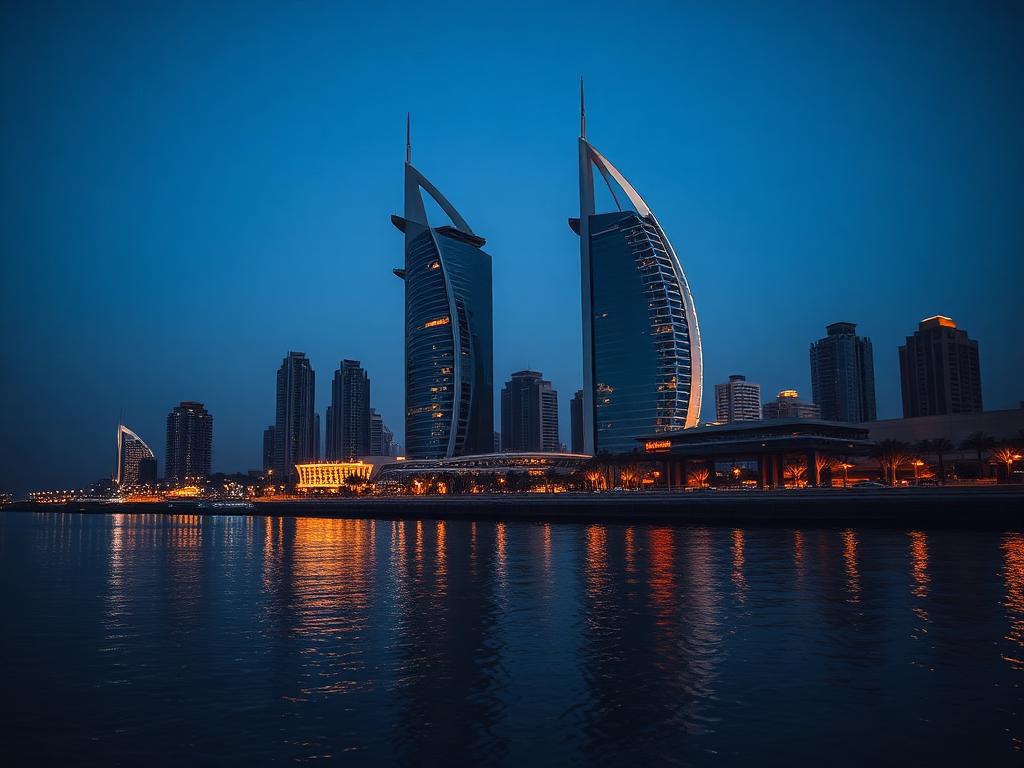
Sectors I build for in Abu Dhabi
Government adjacent and semi government
Entities and their suppliers who need bilingual parity, accessible markup and documentation a reviewer can check line by line.
Energy, industrial and marine
Technical suppliers where the buyer wants specifications, certifications and a credible capability statement, not a hero video.
Healthcare and clinics
DOH compliant treatment content with Arabic written for patients rather than run through a translation plugin.
What the Abu Dhabi build includes
- Everything in the standard build: Figma design, hand built front end, Core Web Vitals as a requirement, GA4 and Search Console in your accounts.
- Arabic written from the brief, with terminology checked against Gulf usage and reviewed by a native speaker in your sector before launch.
- Reciprocal hreflang, self referencing canonicals and x-default across the whole page set, so the Arabic version is indexed as its own page.
- WCAG oriented build: visible focus rings, contrast that passes, semantic heading order, labelled form fields and keyboard reachable navigation.
Arabic parity is the differentiator in the capital
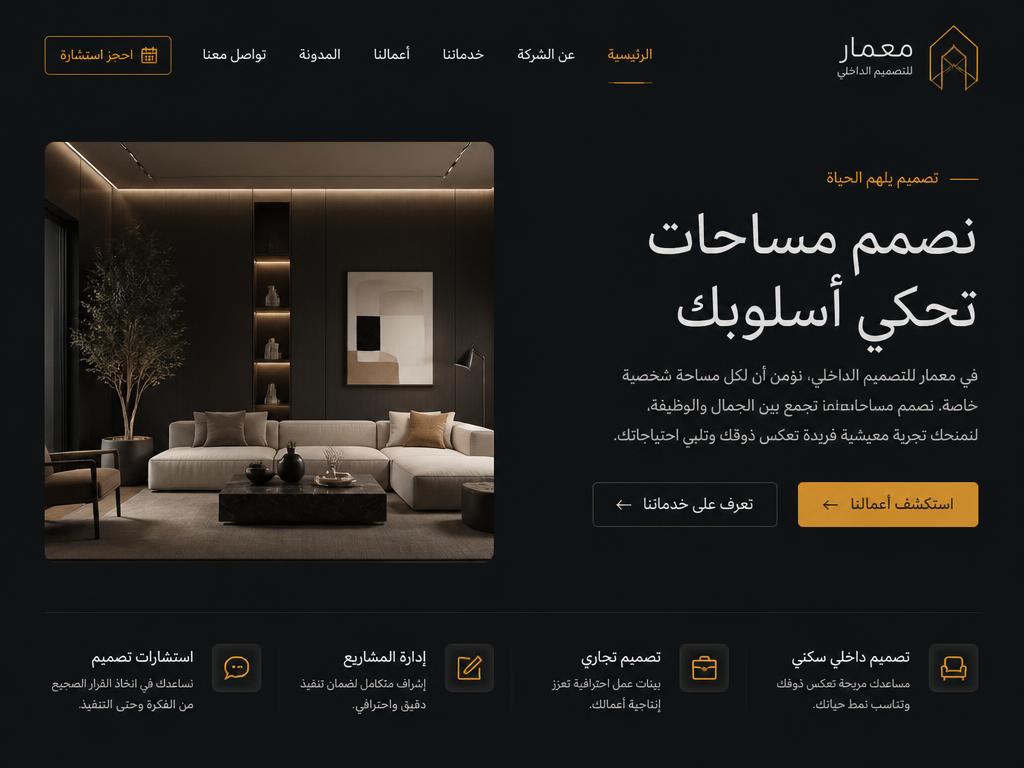
Parity means the Arabic version has the same pages, the same depth, the same forms and the same structured data as the English one. It is not a landing page with a phone number. Of the nineteen UAE agency sites I audited, sixteen declared no Arabic alternate at all, and of the three that did, only one had reciprocal hreflang implemented correctly.
Getting it right involves inverting the layout rather than just the text direction, setting a typeface drawn for Arabic at its own size and leading, keeping Western numerals for prices and phone numbers as Gulf business writing does, mirroring directional icons while leaving logos alone, and declaring the language pair honestly to search engines.
Selling into Dubai as well?
Most Abu Dhabi clients also compete for Dubai search. The build is the same, the content strategy is not, because the queries and the buying speed differ.